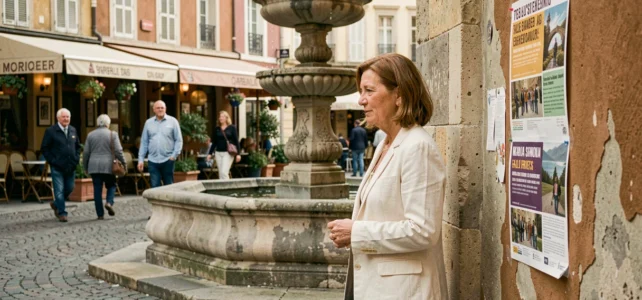
Lyon produces a volume of cultural, sporting, and festive events each week that few French metropolises can claim. Keeping up with Lyon’s news means navigating between live performance scenes under budgetary pressure, weekends that shift to outdoor activities, and a summer program that adapts to heatwaves. Here are the underlying trends currently shaping the cultural life of the metropolis.
Funding for live performance in Lyon: a little visible fragility
Have you ever noticed that a festival or a theater season disappears without explanation? The reason is often budgetary. In Lyon, live performance is going through a period of financial tension that is not reflected on the posters.
In July 2026, funds intended for the Opéra de Lyon, the TNP of Villeurbanne, and the Orchestre national de Lyon were frozen before being finally released. This type of episode, reported by Le Progrès, illustrates a structural weakening of cultural funding in the metropolis.
Specifically, a freeze on grants, even temporary, forces an organization to postpone productions, reduce its capacities, or cancel artist residencies. Emerging companies, which depend on these funds to stage their first shows, are the first to be affected. To keep track of these issues over time, gonemagazine.fr regularly covers the Lyon cultural scene from this perspective.
The result for the public: a program that seems stable on the surface, but whose backstage is marked by uncertainty. Following Lyon’s cultural news involves reading between the lines of institutional announcements.
Nature outings and micro-adventures: the Lyon weekend changes face
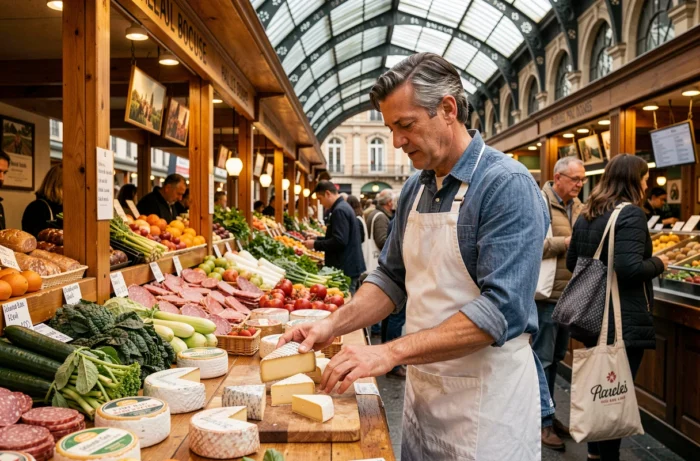
The classic Lyon weekend scheme (brunch in the Presqu’île, museum exhibition, drinks on the terrace) is evolving. An increasing share of the public is turning to outdoor activities, without reservations or high budgets.
Paddleboarding on the Rhône or the Saône, cycling to the Miribel-Jonage park or southern Beaujolais: these nearby outings are reshaping the geography of leisure. The trend extends beyond the city center. The municipalities of the metropolis (Villeurbanne, Vénissieux, Bron) are multiplying free outdoor offerings: outdoor cinema, concerts, performances in parks.
Why this shift? Several factors converge:
- The cost of living pushes towards low-cost or free activities, accessible without a vehicle from the TCL network
- Heatwaves make outings by the river or in the forest more attractive than indoor spaces
- Local authorities are investing in outdoor events to relieve congestion in the hyper-center and animate peripheral neighborhoods
This movement changes the way people “experience” the metropolis on weekends. Lyon’s news is no longer limited to the major institutions in the center: the margins of the city are becoming fully-fledged programming venues.
Summer programming and climate adaptation in Lyon
Event organizers in Lyon no longer plan a summer season as they did ten years ago. The heat requires concrete adjustments to schedules, venues, and formats.
The open-air events at Transbordeur, for example, closed their season in July 2026 with concerts scheduled for late evening to avoid temperature peaks. This is not a logistical detail: the climate is reshaping the cultural calendar of the metropolis.
Other adjustments are visible. Exhibitions are extending their evening openings. Artisan markets are moving under covered halls or trees. Outdoor festivals are now planning indoor backup plans, which increases their production costs.
Access to culture for all: a concrete lever
At the same time, initiatives like the Culture for All network, supported by social centers such as Grand’Vire, allow audiences distant from culture to access shows and exhibitions at reduced or no cost. This type of initiative is concretely transforming the cultural experience in Lyon, but remains little covered by traditional event agendas.
Contemporary Art Biennial 2026: Lyon as an art metropolis beyond museums
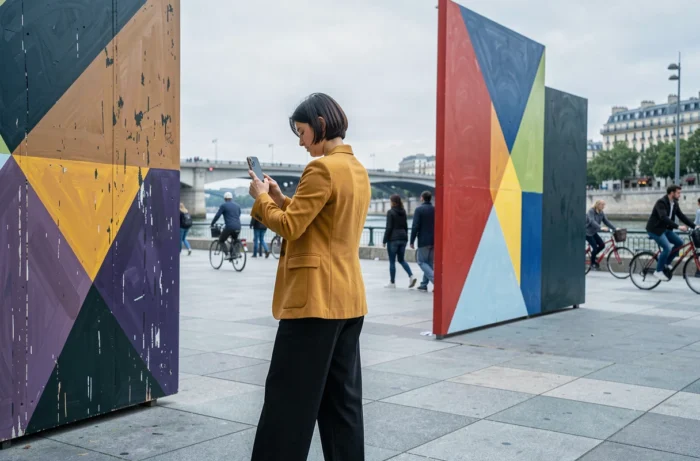
The Lyon Contemporary Art Biennial, in its 18th edition, is taking over the city well beyond traditional museum spaces. Installations occupy wastelands, public squares, and unexpected places in several districts.
This fragmented format has a direct effect on the news of the metropolis: it generates micro-events (openings, performances, guided tours) that invigorate neighborhoods for several weeks. For Lyon residents, this means encountering a work of art while picking up their bread.
The Biennial also attracts local artists. La Tribune de Lyon highlighted four Lyonnais creators featured in the 2026 program. Contemporary art in Lyon is stepping out of the circuits reserved for insiders and settling into urban daily life.
Lyon bookstores and the cultural sector under pressure
The cultural fabric of Lyon is not limited to stages and galleries. Independent bookstores, numerous in the metropolis, are facing a sector under pressure. Competition from online commerce, rising rents in the city center, and changes in reading habits weigh on their economic model.
This issue, documented by the local press, directly concerns the cultural vitality of Lyon. A bookstore that closes is a place for meeting, signings, and debates that disappears from the neighborhood. Independent bookstores are a marker of a city’s cultural health.
Ultimately, Lyon’s news can be read on multiple levels. Major events capture attention, but weak signals (unstable cultural budgets, migration of leisure to the periphery, climate adaptation, fragility of cultural commerce) tell a more complete story of the metropolis. Keeping an eye on these trends is to understand Lyon beyond its postcard image.