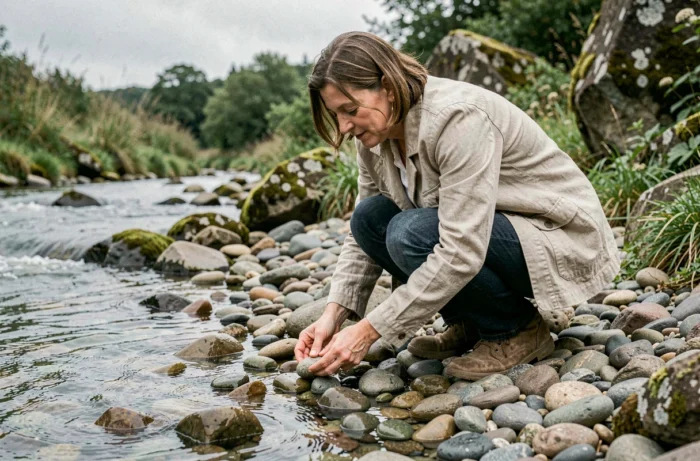
Collecting pebbles to decorate a flower bed or edge a garden path may seem harmless. However, not all pebbles are fair game, and not every location allows people to collect them. Before filling a bucket, it’s best to know which options are genuinely viable and what legal restrictions apply.
Beach pebbles and the maritime public domain: what the law prohibits
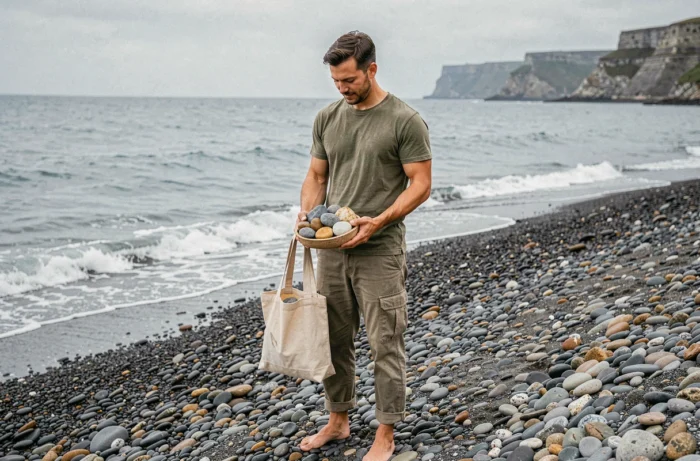
The beach is often the first place that comes to mind. After all, there are millions of pebbles along the coast. The problem is that the shoreline is part of the maritime public domain.
Removing materials from it is regulated and may even be prohibited, depending on the site. There is no general nationwide limit specifying how many pebbles may be taken from a beach. Rules vary from one municipality to another: some allow you to take a few pebbles in your pocket, while others issue fines for taking even a single bucketful.
Why such strict rules? Because pebbles play a practical role in protecting the coastline. They absorb wave energy and slow coastal erosion. Removing beach pebbles, even for a modest decorative project, weakens a natural line of defense. Coastal wardens regularly remind visitors who are tempted to fill their car boot.
To find out whether occasional collecting is allowed at a particular site, the safest approach is to check with the local town hall or read the signs posted there.
Rivers and private land: collecting pebbles is possible, subject to certain conditions
If beaches are off-limits, rivers and streams may seem like an obvious alternative. They contain water-worn pebbles, often of excellent quality. The key question here is the legal status of the watercourse and its banks.
A watercourse may be state-owned (part of the public domain) or non-state-owned (in which case the riverbed belongs to the adjoining landowners). In the latter case, a riverside landowner may theoretically collect pebbles from the section of riverbed bordering their property. In practice, removing materials from a spawning area is prohibited under environmental regulations, as it destroys fish breeding habitats.
Before collecting pebbles from a watercourse, check two things:
- Is the land legally accessible? If the banks are privately owned, you need the owner’s permission.
- Is the site in a protected area or a designated spawning ground? If so, collecting is prohibited, even in small quantities.
Outside these situations, some private properties are full of pebbles. These include fields along rivers, farmland turned over by ploughing, and country lanes where stones naturally surface in the soil. With the owner’s permission, these are among the easiest sources to make use of. For more ideas, see this guide to where to find free pebbles near you.
Getting pebbles from other people: the most reliable way to find them for free
Looking for free pebbles often leads to a more practical solution than collecting them in the wild: getting them from people who want to get rid of them.
Pebbles are widely used in gardening and landscaping. When a homeowner renovates a path, replaces mineral mulch or empties a pond, they may end up with dozens of kilos of pebbles and no idea what to do with them. Pebbles that have already been removed, stored and offered for free are the ideal find.
There are several ways to spot these offers:
- Classified ad websites, where batches of river pebbles regularly appear in the garden category, often free or for a token price.
- Local social media groups dedicated to giving things away or swapping items with neighbors.
- Demolition or renovation sites, where mineral materials are sometimes made available for free to avoid disposal costs.
- Municipal recycling centers, which sometimes have a reuse area for inert materials, including pebbles and gravel.
This approach has a clear legal advantage: there’s no risk of breaking the law by removing materials from the natural environment. The pebbles have already been taken from their original setting.
Free garden pebbles: sort them, transport them and plan for their weight
Getting pebbles for free doesn’t mean you can ignore the logistics. Stone is heavy. Even a small volume of pebbles can quickly fill a car boot and put strain on the suspension.
Have you noticed that a bag of pebbles from a garden center weighs around twenty kilos despite its modest size? When you collect pebbles loose, the weight adds up quickly. Using a suitable vehicle and sturdy containers helps avoid unpleasant surprises when loading.
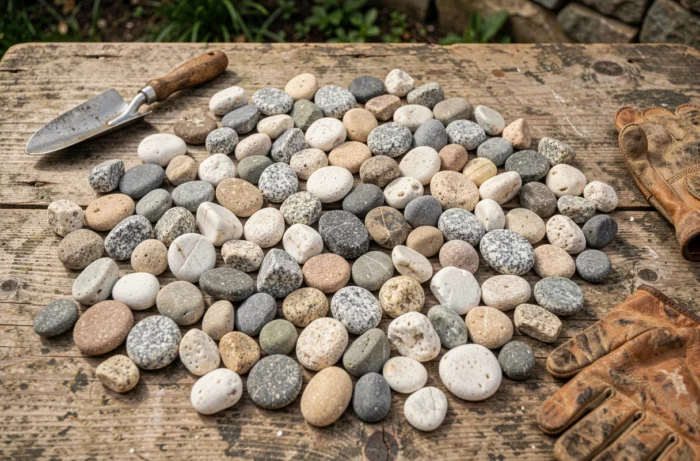
When sorting, bear in mind that not all pebbles are suitable for every purpose. For mulching a flower bed, uniformly sized pebbles create a neater finish. For a pond bottom or decorative border, a mix of shapes and colors may be more desirable. Sorting them on-site when you collect them saves time compared with sorting them in the garden.
One final point that’s often overlooked: pebbles collected outdoors may contain soil, seeds from invasive plants or organic debris. Rinsing them with a hose before laying them in the garden helps reduce the risk of unwanted plants growing between the stones.
It’s still possible to collect pebbles for free, provided you choose the right source. Beaches carry legal risks, while rivers require some checks beforehand. Getting pebbles from other people through classified ads or local networks remains the easiest and safest way to landscape a garden at no cost.