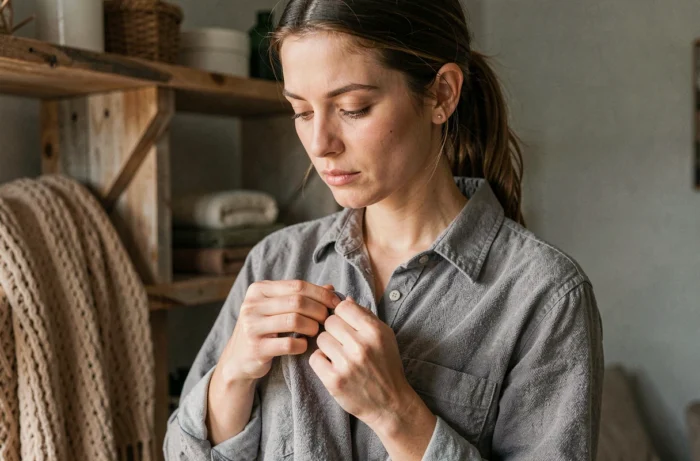
Flannel and cotton appear in every textile comparison, but confusion persists: flannel is not a fiber, it is a finish. A flannel fabric can be made from cotton, wool, or a synthetic blend. Comparing flannel and cotton is therefore akin to comparing a surface treatment (the brushing) to a raw material (the plant fiber). This distinction changes the framework for choosing a fabric suitable for your clothing.
Flannel and cotton: comparative table of textile properties
Before analyzing each criterion, a synthetic overview allows us to pinpoint the concrete differences between classic cotton (percale, poplin) and cotton flannel, the most common combination on the market.
| Criterion | Classic cotton (poplin, percale) | Cotton flannel |
|---|---|---|
| Touch | Smooth, cool | Soft, fluffy thanks to brushing |
| Thermal insulation | Moderate, breathable | Superior, traps air between the brushed fibers |
| Breathability | High | Fair, but lower than unbrushed cotton |
| Seasons of use | Spring, summer, mid-season | Autumn, winter |
| Care | Machine wash, quick drying | Machine wash, slower drying, risk of pilling |
| Long-term durability | Good, little pilling | Variable, brushed fibers wear out faster on the surface |
| Sewing projects | Shirts, dresses, linings | Thick shirts, pajamas, winter clothing |
The table shows a clear gap on two axes: flannel wins in warmth, classic cotton in seasonal versatility. Everything else in the choice stems from these two parameters.
Those wondering about cotton flannel as a fabric will find this underlying logic: the fiber remains the same, it is the treatment that makes the difference.
Brushing and weaving: what really separates flannel from smooth cotton
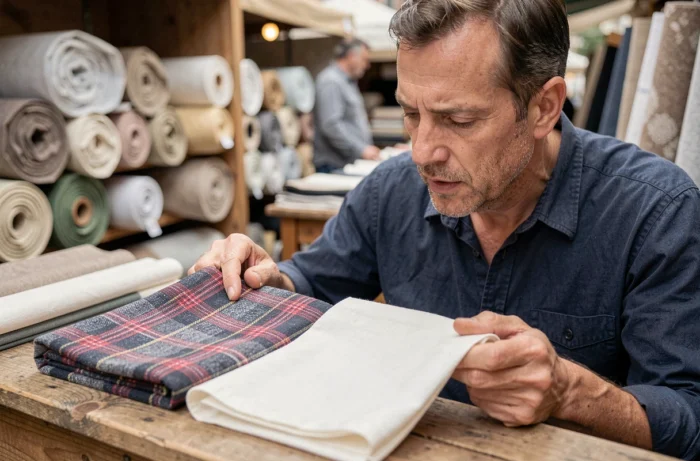
Flannel is defined by its brushed finish, not by its composition. Brushing involves mechanically brushing the surface of the fabric to raise the ends of the fibers. This fluff creates an insulating layer of air that retains body heat.
A poplin or percale cotton, on the other hand, maintains a smooth surface after weaving. The yarn remains flat, giving a crisp appearance and a cool touch on the skin. It is precisely this absence of brushing that makes it more breathable in warm weather.
Tight weave vs. loose weave
Flannel often uses a looser weave than poplin. This technical choice promotes flexibility and thickness but reduces abrasion resistance. In sewing, flannel is more forgiving of small inaccuracies because it does not slip under the machine.
In contrast, tightly woven cotton (such as percale) offers better longevity. The more compact threads pill less and withstand frequent washing without losing their structure.
Durability and pilling: the criterion that comparisons overlook
Most guides compare warmth and softness, rarely the actual lifespan. Pilling is the Achilles’ heel of flannel. The fibers raised by brushing gradually detach due to friction, forming small balls on the surface.
On pajamas worn several times a week, this phenomenon often appears after a few months. A smooth cotton, under the same usage conditions, retains its appearance longer because its fibers remain flat.
- To limit pilling on flannel: wash inside out, avoid high-temperature tumble drying, use a fabric shaver at the first signs
- For classic cotton: a standard wash is sufficient, ironing is sometimes necessary (especially for poplin) but surface wear remains minimal
- In both cases, a quality fabric pills less quickly than an entry-level fabric, regardless of the surface treatment
Textile eco-design: a new parameter for choosing between flannel and cotton
The European regulation on the eco-design of sustainable products, in effect since July 2024, classifies textiles among the priority categories for the 2025-2030 period. Future requirements may focus on lifespan, reparability, recyclability, and the proportion of recycled materials.
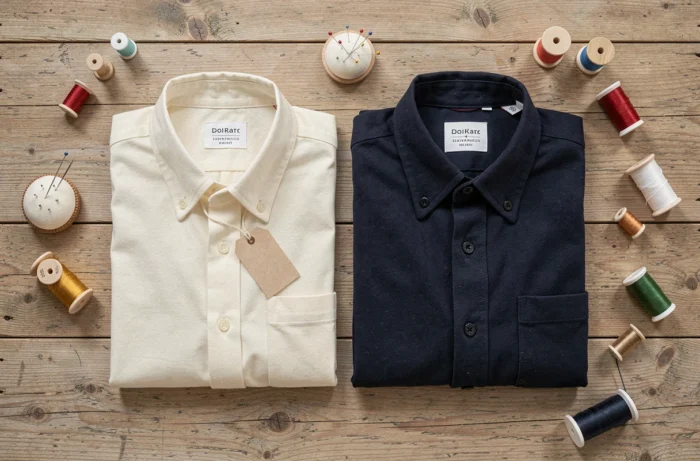
This regulatory framework alters the comparison between flannel and cotton. Recyclability depends on the fiber composition, not the finish: a 100% cotton flannel can be recycled like classic cotton. In contrast, a cotton-polyester blend flannel complicates sorting and recycling, which may lead to higher contributions under extended producer responsibility.
Digital passport and traceability
The future digital passport for products will require detailed traceability of the composition and origin of the fibers. For the consumer, this means that a flannel or cotton garment will no longer be evaluated solely on its comfort or price, but also on the transparency of its production chain.
Favoring mono-material fabrics (100% cotton flannel rather than a blend) will facilitate their recycling at the end of life. This is a criterion to consider from the moment of purchase, especially for sewing projects where one controls the choice of fabric by the meter.
Which fabric to choose according to use: clothing, bedding, sewing
The final choice depends on three variables: the season, the type of garment, and the frequency of washing.
- For mid-season or summer shirts, poplin or percale cotton remains the most suitable choice: lightweight, breathable, easy to iron
- For pajamas, winter shirts, or loungewear, cotton flannel offers superior thermal comfort without sacrificing softness
- For bedding, flannel is suitable for cold months while percale cotton keeps its coolness in summer
- For sewing projects, flannel is easy to work with (does not slip), but requires slightly wider seam allowances due to its thickness
The ideal fabric does not exist in absolute terms. A smooth cotton and a cotton flannel together cover the entire year, each in its season. The mono-material composition, in cotton in both cases, simplifies both maintenance and future recycling.